Neuroplasticity, often described as the nervous system’s ability to adapt its organization and performance in response to external stimuli, learning, or neurological damage, serves as a core concept in contemporary neuroscience. For decades, scientists assumed that the brain ceased growth after childhood. Yet, extensive scientific investigation has confirmed that the brain continues to form additional synaptic connections throughout life. This adaptive capacity allows the brain network to reorganize itself after damage caused by stroke, head trauma, or neurological disorders. Understanding neuroplasticity has become a central focus in rehabilitation medicine because it provides a evidence-based foundation for functional restoration and measurable progress.
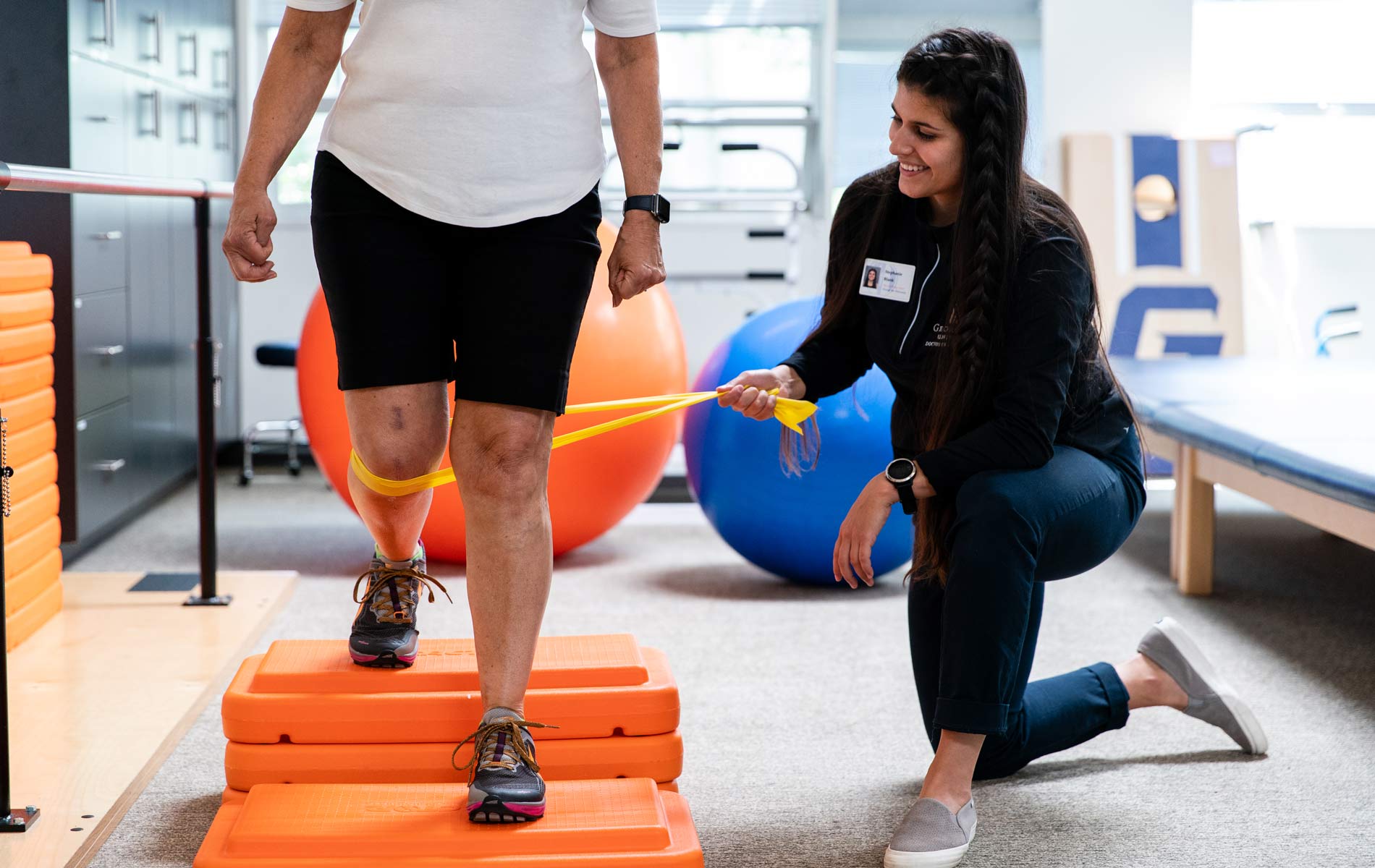
When an injury affects the brain or spinal cord, certain synaptic links may be weakened or damaged. Through structured therapy and consistent practice, new synaptic connections can emerge to compensate for damaged areas. This process is known as neural reorganization. Rehabilitation specialists use research-supported interventions such as physiotherapy, occupational therapy, and communication therapy to activate this restorative process. Repetition, task-specific training, and movement re-education strategies are key components that promote the development of more efficient brain pathways. Over time, consistent therapeutic exercises can improve movement ability, cognitive function, balance, motor coordination, and speech function.
The principle of brain plasticity also plays an significant part in cognitive rehabilitation. Individuals healing after conditions such as stroke or traumatic brain injury may face challenges with memory, attention, and executive functioning. Structured mental exercises are developed to strengthen executive functioning and information processing through systematic brain-based activities. Activities that involve attention control, working memory tasks, and analytical techniques help engage underused areas of the brain. As these neural circuits are consistently stimulated, they become increasingly responsive, supporting gradual progress in everyday performance and independence.
In addition to traditional treatment methods, innovative technologies are expanding the application of neuroplasticity principles in clinical environments. Virtual reality systems, robotic-assisted therapy, and neuromodulation techniques such as targeted magnetic stimulation are being integrated into treatment plans. These specialized tools provide precise, measurable, and interactive ways to deliver structured therapy. For example, robotic devices can guide limb movement to strengthen correct movement patterns, while virtual environments simulate real-world activities that promote skill restoration. Such technologies increase patient motivation and provide valuable performance data, which further supports neural change.
The growing understanding of brain adaptability has redefined how healthcare professionals approach rehabilitation. Rather than emphasizing solely compensating for lost abilities, rehabilitation now browse this site prioritizes functional restoration through direct participation and purposeful practice. Early intervention, personalized care strategies, and patient participation are critical factors in achieving positive outcomes. By leveraging the principles of brain plasticity, clinicians can develop therapeutic programs that are grounded in clinical evidence and supported by documented outcomes. This shift in perspective offers renewed hope for individuals facing neurological challenges and highlights the brain’s remarkable capacity for click this functional change and growth.